Practical Planning for a Reliable Home Mechanical Upgrade
Homeowners sizing up mechanical upgrades should begin by mapping the whole system picture. Think through heating, cooling, plumbing, and electrical as interdependent networks that share space, power, and airflow. Assess existing capacity, breaker space, gas lines, and venting early. This prevents surprises when AC Installation and Repair intersects with panel loads or condensate routing. Document current equipment ages and model numbers to plan phased replacements that keep comfort steady while minimizing downtime.
Next, scope priorities by comfort goals, safety needs, and efficiency targets. Some projects, like Heating Installation and Repair, naturally pair with duct sealing or thermostat upgrades, while others can be staged. Validate attic insulation levels and window conditions before oversizing equipment. Meanwhile, note code-driven requirements such as clearances, GFCI/AFCI protection, and combustion air. A thoughtful sequence avoids rework and sets the stage for cleaner installs, easier inspections, and predictable scheduling windows.
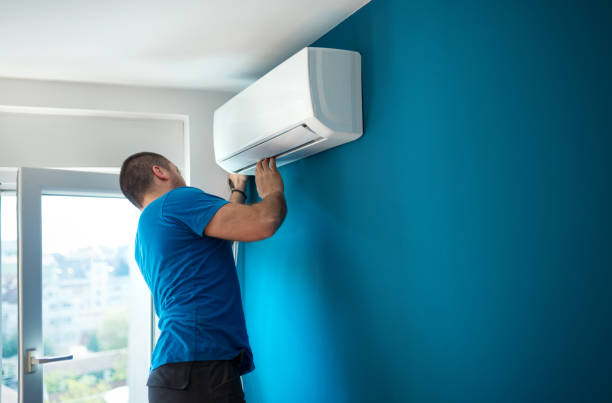
Budgeting benefits from bundling related tasks into logical phases. For instance, Ductless AC Installation might coincide with minor electrical whips and condensate pumps, while future Heat Pump Installation could be timed with shoulder-season weather to reduce comfort disruption. Buffer contingencies for patching, fittings, and unforeseen access issues. Compare lifecycle costs, not just upfront outlays, and include filter subscriptions, maintenance plans, and potential utility program requirements when you refine cost expectations.
Materials selection should match your home’s envelope and usage patterns. In practice, variable-speed HVAC systems can smooth temperature swings and humidity, but they also need proper duct design and line set integrity. Validate refrigerant line lengths, slope, and insulation quality. Beyond that, confirm that plumbing materials meet local code and water quality considerations, especially if you’re adding softening or filtration. Electrical wire gauge and breaker ratings must align with manufacturer specifications to protect warranties.
Workflow planning starts with access and staging. Inspect attic and crawl spaces for safe pathways, lighting, and platforms. Then, verify where condensers, air handlers, and water lines will land to maintain service clearances. Sequence noisy or dusty tasks earlier in the day, and protect finishes with drop cloths. Calibrate expectations with household routines, pet containment, and parking plans. A tidy jobsite accelerates productivity and reduces punch-list items that can delay final sign-off.
Quality control hinges on thoughtful commissioning. After installation, test static pressure, temperature split, and airflow to validate system performance. For Plumbing Services, pressure tests and fixture checks catch minor leaks before they become headaches. Electrical Services should include torque verification on lugs, labeling updates, and GFCI/AFCI function tests. Document serial numbers, warranty terms, and setpoints. Finally, walk through filter sizes, breaker locations, and shutoff valves so every resident knows how to respond to anomalies.
Indoor air strategies deserve equal attention. Air Purification complements filtration by targeting particulates and some airborne contaminants, but its value depends on proper sizing, duct placement, and maintenance. Often, humidity control yields faster comfort gains than raw temperature changes. Verify dehumidification capacity, drain routing, and condensate safety switches. If you add fresh air, balance it with exhaust to protect pressure relationships and keep combustion appliances operating safely within their design envelope.
Seasonal timing can make or break a project. Spring and fall typically offer milder conditions for extended system downtime, which is helpful for Geothermal HVAC Installation or major duct revisions. However, emergency failures may force mid-season action. In those cases, stage temporary solutions and phase permanent replacements around supply availability. Inspect delivery lead times for equipment and specialty parts early, and maintain clear communication to adjust timelines as circumstances evolve.
Compliance and documentation reduce risk over the system’s life. Permit requirements vary, yet inspectors consistently look for manufacturer-adherent practices, proper support, and accessible shutoffs. Validate combustion venting paths, clear flue terminations, and confirm that condensate discharge follows local rules. Keep a living logbook of service dates, filter changes, and any noise or odor notes. This history helps technicians diagnose trends faster and supports warranty claims if components underperform.
Long-term maintenance ties the plan together. Maintain filters on the schedule recommended for your environment, and schedule seasonal tune-ups to catch drift in refrigerant charge or burner performance. Inspect exterior equipment for vegetation encroachment, and ensure drainage remains clear after heavy weather. Then, revisit your upgrade roadmap annually. Small adjustments, like thermostat settings or duct balancing, can extend equipment lifespan, enhance comfort, and keep utility use steady throughout changing seasons.